
The psychology of slot machine addiction is a complex and multifaceted issue that has garnered significant attention from researchers, psychologists, and policymakers. Slot machines, often referred to as one-armed bandits, have an inherently addictive nature due to their design and the way they exploit various psychological principles. One key element in the allure of slot machines is the concept of intermittent reinforcement. Unlike many other forms of gambling where the outcome is determined by skill or strategy, slot machines rely on chance. Players are uncertain about when they will win, how much they will win, or if they will win at all. This unpredictability leads to a sense of excitement and anticipation that can be highly rewarding. It is similar to the thrill of buying a lottery ticket, where the possibility of hitting the jackpot keeps players coming back for more. Slot machines are also designed with colorful graphics, captivating themes, and engaging sound effects that are carefully crafted to create a sensory overload.
These sensory stimuli activate the brain’s reward centers, releasing dopamine – a neurotransmitter associated with pleasure and motivation. This neurochemical response reinforces the behavior, making players want to play more and chase the elusive big win. Furthermore, slot machines are often strategically placed in casinos to maximize their exposure to players. They are usually located near entrances, exits, and high-traffic areas, ensuring that players encounter them frequently. The accessibility and visibility of slot machines contribute to their addictive nature, as players are constantly reminded of their presence. Another psychological factor at play is the concept of near misses. Slot machines are programmed to display symbols that are just one position away from a winning combination, creating the illusion of almost winning. These near misses trigger a cognitive response that leads players to believe they were close to winning, even though the outcome is purely random.
Moreover, the concept of sunk costs plays a role in slot machine addiction. Once players have invested time and money into playing, they may feel compelled to continue to justify their previous losses. This phenomenon, known as the gambler’s fallacy, leads individuals to believe that a win is overdue and that they are bound to hit the jackpot soon explore now. Slot machine addiction can also be attributed to the escape and relaxation they offer. Many individuals turn to gambling, including slot machines, as a means of coping with stress or escaping from life’s challenges. The transient relief they experience when playing can be a powerful motivator to continue gambling, even when it leads to negative consequences in the long run. In conclusion, the psychology of slot machine addiction is a complex interplay of various factors, including intermittent reinforcement, sensory stimulation, near misses, sunk costs, and the desire for escape and relaxation.
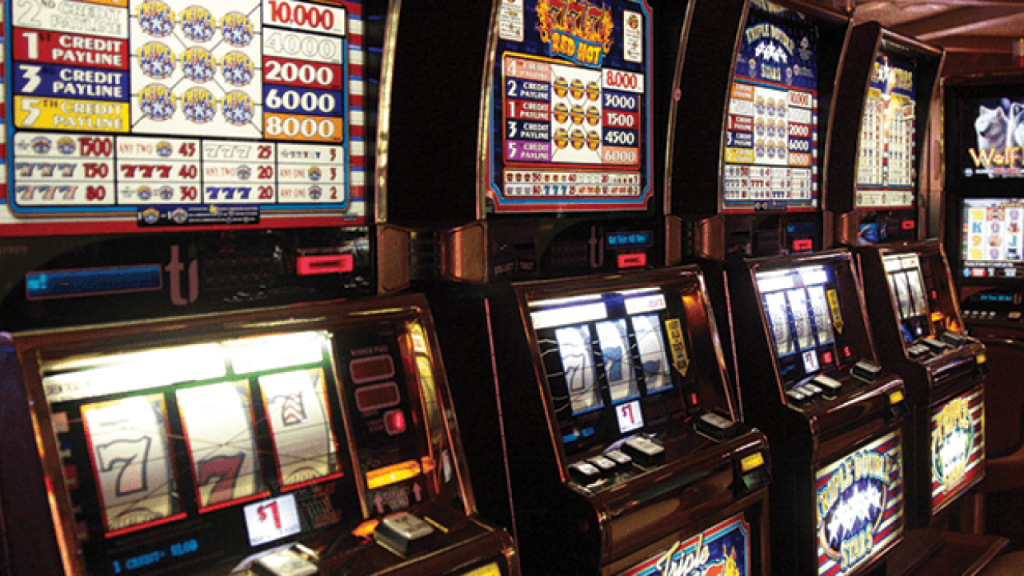 Slot machines are among the renowned games in online gambling organizations all throughout the earth. Each year, a great many players total become a member of and over 70% of reward online gambling night clubs procure is really in the video slots. Background of slot machines is adequately very long. The principal forerunner of current day online video slot was concocted in 1891 in Brooklyn, New York. Slots have been created according to poker, and consist of 50 charge cards caught up in the several reels t-shirts down. Legal representatives for those prices used coin and move the change, getting regarding the pivot of the reels. This depended after the foundation, that has been unveiled a slot unit. To the player it had been hard to reign over around the reasons that the go with ended up being to be reimbursed, instead of wreck the organization, on a regular basis together with the drums eradicated ten pinnacles and jack of hearts that it was hard to gather Regal Flush.